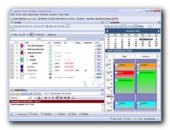
 Web Log Storming
 CD Label Designer
 MicroBiz Balance
  Grocify
 Agenda At Once PIM
 Decision Oven
 Software Development
 Web Design and Programming
 Examples of our Work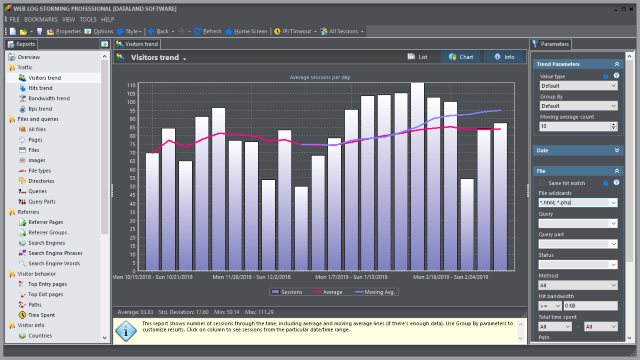







Fire departments are responsible for far more than emergency response. They must also maintain detailed records related to training, equipment inspections, apparatus maintenance, certifications, incident reports, personnel qualifications, safety procedures, and regulatory requirements.
Despite major advances in technology, many departments still struggle to keep these records complete, accurate, and easy to retrieve. In 2026, the challenge is often not a lack of information, but the difficulty of managing it across multiple systems, departments, and reporting standards.
Records Are Spread Across Too Many Systems
One of the most common problems is fragmented recordkeeping. Training records may be stored in one application, vehicle maintenance logs in another, and inspection documents in spreadsheets or paper files.
When information is spread across several locations, staff must spend more time searching for documents and checking whether records are current. Duplicate data entry also increases the risk of inconsistencies.
A firefighter’s certification date, for example, may be updated in one system but remain outdated somewhere else. These gaps can create problems during audits, inspections, or internal reviews.
Paper Processes Have Not Completely Disappeared
Many departments still depend on paper forms for equipment checks, attendance records, signatures, and station inspections. Paper may seem convenient in the moment, but it becomes difficult to organize and retrieve over time.
Forms can be misplaced, damaged, completed incorrectly, or stored without a consistent filing system. Staff may also delay transferring information from paper into a digital database.
Even departments that have adopted digital systems may continue using paper for certain tasks, creating a hybrid process that is difficult to manage consistently.
Compliance Requirements Continue to Change
Fire departments must follow requirements established by local governments, state agencies, federal organizations, insurance providers, labor agreements, and industry standards.
These requirements may change over time, and departments must update their procedures accordingly. A form that was acceptable several years ago may no longer collect all the information required today.
Keeping up with changing standards can be especially difficult for smaller departments that do not have dedicated compliance personnel. The responsibility may fall to chiefs, officers, administrators, or firefighters who are already managing several other duties.
Staff Have Limited Administrative Time
Emergency response will always take priority over paperwork. When crews are busy with calls, training, inspections, community events, and station responsibilities, recordkeeping tasks may be postponed.
A missing signature or incomplete equipment log may appear minor at first, but small gaps can accumulate. By the time an audit or investigation occurs, reconstructing the information may be difficult.
Administrative employees can help, but many departments operate with limited staffing. This leaves operational personnel responsible for entering and reviewing large amounts of compliance data.
Training Records Are Difficult to Standardize
Firefighters complete many types of training, including medical education, hazardous materials instruction, driver training, technical rescue practice, and recurring safety courses.
Documenting this training consistently can be challenging. Different instructors may use different attendance forms, course names, or evaluation methods. Outside training providers may also issue certificates in formats that do not integrate with the department’s existing systems.
Without standardized procedures, it may be difficult to prove that every employee completed the required hours, topics, and practical exercises.
Equipment Inspections Generate Large Amounts of Data
Fire departments regularly inspect breathing apparatus, protective clothing, ladders, hoses, medical equipment, tools, alarms, and other critical assets.
Each inspection may require dates, condition notes, corrective actions, signatures, and follow-up documentation. When a problem is identified, the department must also show that it was repaired, replaced, or removed from service.
If inspection records are incomplete, the department may have difficulty demonstrating that equipment was properly maintained and safe for use.
Apparatus Maintenance Records Can Be Inconsistent
Fire engines, ladder trucks, ambulances, and support vehicles require routine maintenance and safety inspections. Records may come from department mechanics, outside repair shops, drivers, and equipment vendors.
Different sources may document work in different ways. Some provide detailed reports, while others issue only basic invoices. Departments must connect these documents to the correct vehicle and maintenance schedule.
Missing service records can create operational, financial, and liability concerns, particularly when an apparatus failure occurs.
Manual Data Entry Creates Errors
Repeatedly entering information by hand increases the likelihood of mistakes. Dates may be entered incorrectly, names may be misspelled, and records may be assigned to the wrong employee or piece of equipment.
Manual entry also makes it harder to keep records updated in real time. Staff may collect information during a shift and enter it days later, increasing the chance that details will be forgotten.
Automation can reduce these risks, but older systems may not support integrations, mobile entry, or automatic reminders.
Older Technology Is Difficult to Replace
Some departments rely on legacy databases that were installed many years ago. These systems may contain important historical information, but they can be slow, difficult to update, and incompatible with newer tools.
Replacing them may require migrating thousands of records, training staff, and changing established workflows. Departments may delay modernization because they are concerned about cost, disruption, or data loss.
As a result, they continue using systems that no longer match their operational needs.
Smaller Departments Face Greater Resource Constraints
Volunteer and rural fire departments often have limited budgets, fewer administrative employees, and less access to technical support. Recordkeeping responsibilities may be divided among several people who perform the work outside their regular emergency duties.
These departments still face many of the same documentation requirements as larger agencies. However, they may not have the staff or technology needed to manage those requirements efficiently.
Affordable systems, shared services, and regional partnerships can help, but implementation still requires time and leadership.
Digital Tools Are Not Always Used Consistently
Purchasing technology does not automatically solve compliance problems. Departments must establish clear procedures for how the system will be used and who is responsible for reviewing the information.
When some employees use a digital platform while others continue relying on paper, email, or personal spreadsheets, records remain fragmented. Staff may also avoid a system if it is confusing, slow, or difficult to use in the field.
Well-designed fire department software can centralize training, inspections, maintenance, certifications, and personnel records, but its effectiveness depends on consistent use, proper configuration, and ongoing staff training.
Mobile Access Remains Important
Many compliance tasks take place away from a desk. Firefighters inspect vehicles in apparatus bays, check equipment at incident scenes, attend training outside the station, and complete building inspections in the community.
Systems that work only on office computers can delay data entry and encourage staff to use temporary paper notes. Mobile-friendly forms allow information to be recorded when and where the work occurs.
However, departments must also consider device availability, connectivity, security, and ease of use.
Departments Do Not Always Audit Their Own Records
Internal reviews can identify missing documents before they become serious compliance problems. However, many departments do not perform regular record audits because staff are busy or assume the information is complete.
Periodic reviews can reveal expired certifications, overdue inspections, missing signatures, and inconsistent training records. Dashboards and automated alerts can make these reviews easier, but someone must still be assigned responsibility for acting on the results.
Compliance should be treated as an ongoing process rather than something addressed only before an external inspection.
Data Security Adds Another Layer of Responsibility
Fire department records may contain personal information, medical details, employee evaluations, incident data, and confidential operational information.
Departments must protect this data from unauthorized access, accidental deletion, and cyberattacks. Older systems, shared passwords, and inconsistent backup practices can create security risks.
Modernizing recordkeeping therefore requires attention to permissions, encryption, backups, retention schedules, and cybersecurity training.
Leadership and Accountability Matter
Technology and procedures are important, but leadership ultimately determines whether recordkeeping becomes a priority.
Department leaders should clearly assign responsibilities, establish deadlines, review compliance reports, and address repeated gaps. Employees need to understand not only how to complete records, but why accurate documentation protects personnel, equipment, funding, and public trust.
A strong compliance culture develops when accurate recordkeeping is treated as part of operational readiness rather than an administrative burden.
Conclusion
Fire departments continue to struggle with compliance recordkeeping in 2026 because the work is complex, time-consuming, and often divided across disconnected systems. Changing regulations, limited staffing, paper processes, legacy technology, and inconsistent procedures all contribute to the problem.
Improvement requires more than digitizing forms. Departments need standardized workflows, clear accountability, regular audits, mobile access, staff training, and systems that bring important records together.
When compliance information is accurate and accessible, fire departments are better prepared for inspections, emergencies, funding reviews, and legal inquiries. More importantly, reliable records help protect firefighters, equipment, and the communities they serve.